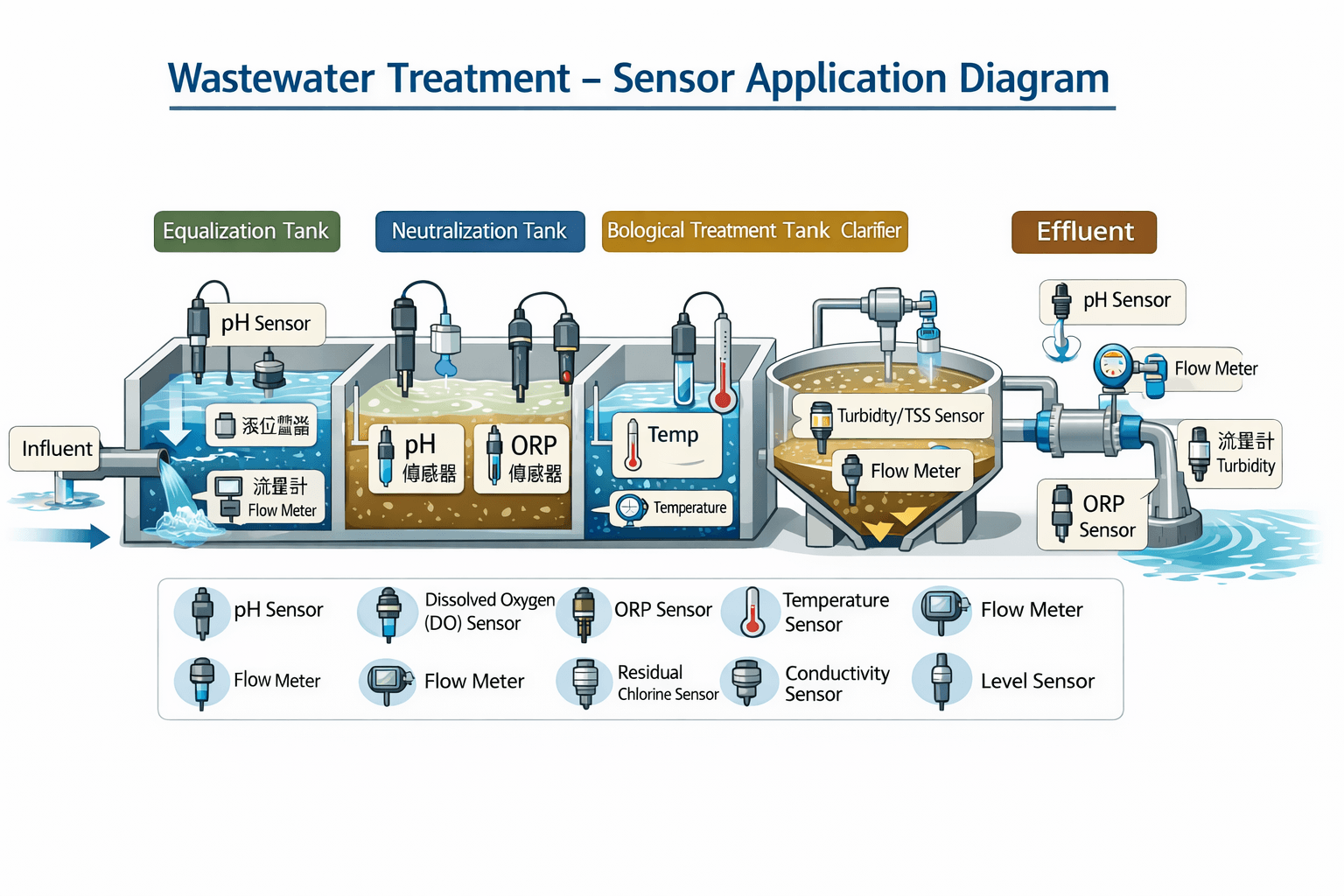
In today’s industrial and environmental landscape, accurate water measurement is no longer optional—it is essential. From water treatment facilities to manufacturing plants and smart city infrastructure, understanding how water flows through a system directly impacts efficiency, cost control, and sustainability.
At the heart of this capability lies one key technology: water flow sensors.
Why Water Measurement Matters
Water is a critical resource across multiple industries. Without precise monitoring, systems can suffer from:
- Undetected leaks and water loss
- Inefficient process control
- Increased operational costs
- Regulatory compliance risks
Real-time water flow measurement enables operators to make informed decisions, ensuring both performance and environmental responsibility.
How Water Flow Sensors Work
Water flow sensors are designed to measure the velocity or volume of water moving through a pipe. Depending on the application, different technologies are used:
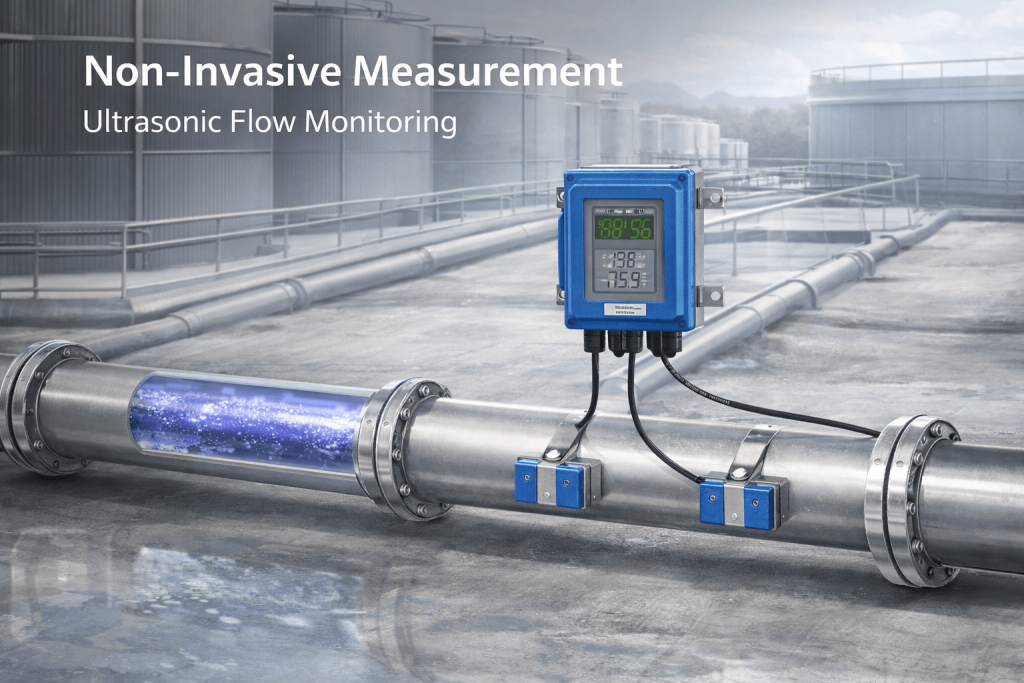
- Ultrasonic Flow Sensors
Non-invasive measurement using sound waves, ideal for clean water systems and retrofitting. - Electromagnetic Flow Meters
Highly accurate for conductive liquids, commonly used in water treatment and wastewater applications. - Mechanical Flow Sensors
Cost-effective solutions for basic monitoring in smaller systems.
These sensors convert flow data into electrical signals, which can then be transmitted via protocols like Modbus RS-485 for integration into control systems.
Real-World Applications
1. Water Treatment Plants
Flow sensors ensure precise dosing, filtration control, and distribution monitoring. This helps maintain water quality while optimizing chemical usage.
2. Industrial Cooling Systems
In factories, maintaining proper water flow is critical to prevent overheating and equipment failure. Flow sensors provide real-time feedback to ensure stable operation.
3. Smart Buildings & Utilities
Modern buildings rely on flow sensors for water consumption tracking, leak detection, and energy efficiency improvements.
4. Agricultural Irrigation
Accurate flow measurement enables optimized irrigation, reducing water waste and improving crop yield.
Key Benefits of Using Flow Sensors
- Improved Accuracy
High-precision monitoring ensures reliable data for decision-making. - Cost Savings
Detect leaks early and reduce unnecessary water consumption. - System Efficiency
Optimize processes through real-time flow control. - Remote Monitoring
Integration with IoT and SCADA systems allows centralized management.
Choosing the Right Flow Sensor
Selecting the right sensor depends on several factors:
- Pipe size and installation conditions
- Water quality (clean vs. wastewater)
- Required accuracy level
- Communication and integration needs
For example, ultrasonic sensors are ideal for non-invasive installations, while electromagnetic meters are preferred for high-accuracy industrial environments.
Conclusion
Water measurement is a cornerstone of modern infrastructure and industrial operations. By implementing reliable water flow sensors, businesses can enhance efficiency, reduce costs, and contribute to sustainable resource management.
As industries move toward smarter and more connected systems, flow measurement technology will continue to play a vital role in shaping the future of water management.